
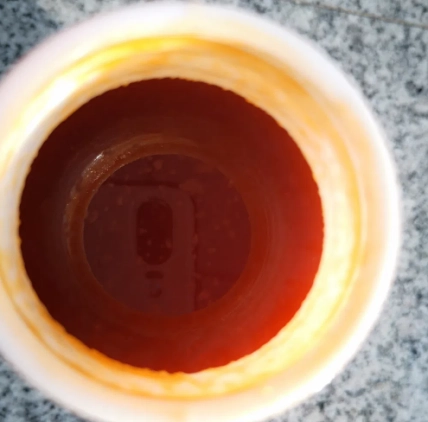



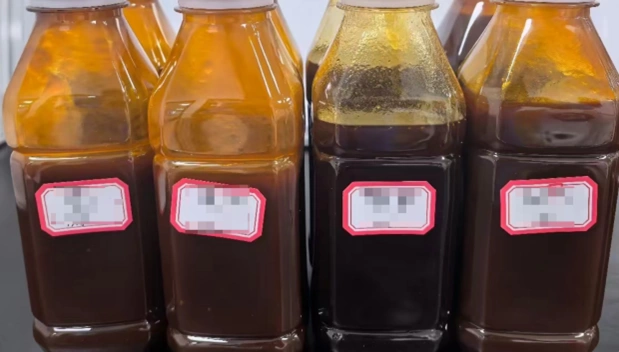
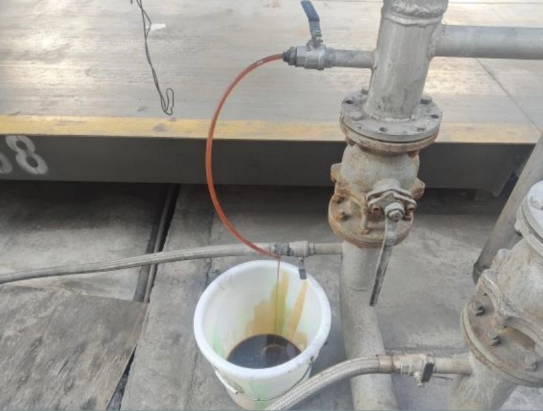

Used cooking oil, also known as UCO, is the residual oil left over from cooking processes in commercial and residential kitchens. It encompasses a wide range of vegetable oils, animal fats, and blended oils that have undergone heat treatment during cooking.
The used cooking oil is the most demanded residue by the first and second generation of biodiesel plants to be mixed with fresh vegetable oil and produce UCOME completely on specification. It is also highly demanded by oil refineries that can convert it in HVO, also known as blue diesel, after a previous treatment to reduce the content of metals.
In modern world, energy and pollution is more and more fierce problem.Used cooking oil is the raw material of biodiesel which is widely used in vehicles, railways and aircraft fuel, and widely used in lubricant oil production.
The Different Types of Used Cooking Oil
Vegetable Oil: Derived from plant sources such as soybeans, canola, sunflower, and palm, vegetable oil is one of the most common types of cooking oil used in kitchens worldwide. After use, it becomes a staple in the realm of used cooking oil recycling.
Animal Fat: Rendered from animal sources like beef, pork, and poultry, animal fat serves as a traditional cooking medium in many cuisines. Its rich flavor profile adds depth to dishes, and when repurposed, it contributes to sustainable practices through recycling.
Blended Oils: Blended cooking oils combine various vegetable oils to achieve specific culinary characteristics. These blends offer a balance of flavors, smoke points, and nutritional profiles, catering to diverse cooking needs. Once used, blended oils undergo the same recycling process as their single-source counterparts.